Business Process Modeling: A Case Study with Access by KAI

In today’s digital product landscape, understanding how operations move behind the scenes is just as important as designing what users see. Business Process Modeling (BPM) is a powerful technique for visualizing how data, actions, and decisions flow through a system, revealing bottlenecks, inefficiencies, and opportunities for optimization.
This article walks through the foundations of BPM, then explores how I applied it in a real-world case using the Access by KAI mobile application Indonesia’s national railway booking platform.
🎯 Objective
The goal of this exercise was to strengthen my ability to:
- Analyze operational workflows using the Business Model Canvas (BMC).
- Identify a company’s value proposition, customer segments, and revenue streams.
- Model real-world business processes using BPMN (Business Process Model and Notation).
This framework helps product managers and teams align on how a service works, what happens when it fails, and how users are impacted across the entire journey.
🔍 What is Business Process Modeling?
Business Process Modeling is a structured approach to visualizing workflows and operational sequences within an organization. Typically represented using Business Process Model and Notation (BPMN), these diagrams clarify the “how” behind a service or system — highlighting responsibilities, data flow, decision points, and bottlenecks.
The goal of BPM is not just to map a process, but to:
- Align cross-functional understanding
- Identify inefficiencies or redundancies
- Prepare for automation or system improvements
- Strengthen user experience by improving backend operations
🧩 Key Components of a BPM Diagram
A BPMN diagram typically includes:
- Actors (swimlanes): Represent different stakeholders or systems (e.g., user, backend, admin).
- Events: Triggers such as starting a session or completing a payment.
- Tasks or Actions: Activities performed by actors, like submitting forms or validating tickets.
- Gateways: Decision points that split the flow based on conditions.
- Connectors: Arrows that link each action, showing flow and sequence.
🧭 Background: Why Access by KAI?
Access by KAI is an integrated app by PT Kereta Api Indonesia that allows users to book long-distance train tickets (KAJJ), order food via RailFood, and request shuttle services, all in one platform.
Get Dhila’s stories in your inbox
Join Medium for free to get updates from this writer.
Despite its functionality, managing the backend schedule releases, booking sequences, and third-party integrations requires tight coordination across multiple stakeholders. This made it a perfect candidate for a BPMN exercise: the system is complex, time-sensitive, and user-facing.
⚙️ The Business Process Model I Built
I selected the KAJJ product flow and broke it down into two main segments:
- Schedule Process, where internal teams publish and update train schedules based on H-90 or H-45 day availability.

- Ticket Booking Process, where users select a schedule, complete payment, and receive confirmation (or drop off).

Using stakeholder mapping, I identified the core actors:
- PPKA (Schedule Provider)
- Internal Admin Teams
- Access by KAI Application
The BPMN diagram also included:
- Frequency-based notifications and ticket reminders
- Schedule updates managed by PPKA and relayed to the app
- Supporting services like RailFood and shuttle integration
- States like “booked,” “paid,” “expired,” and “abandoned”
This helped clarify how data and actions travel between internal systems and the user interface.
✅ Results and Learnings
The resulting BPMN model provided a full end-to-end picture of how scheduling and booking workflows operate, revealing opportunities for better alignment and timing.
Key takeaways included:
- The value of visualizing systems that involve multiple actors, rules, and exception paths
- How data segmentation supports clearer user flow design
- The need for built-in fail-safes like expiration timers and fallback messages to support incomplete or failed bookings
🧠 Why BPM Matters for Product People
Business Process Modeling isn’t just for operations teams or analysts. For product managers, it’s an essential tool for:
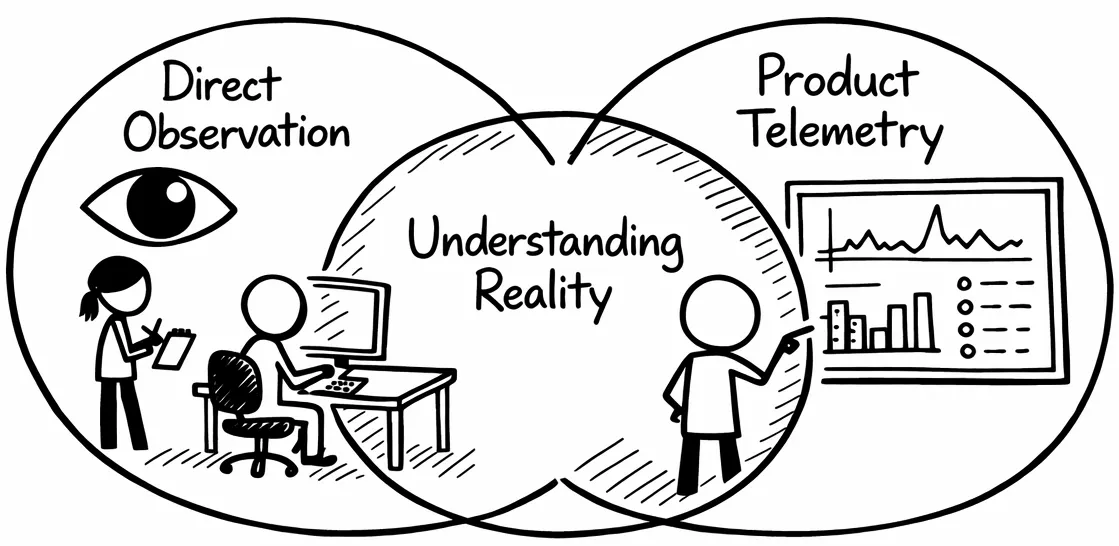
- Understanding the reality behind backend and service workflows
- Aligning business logic with UX decisions
- Communicating with engineers and non-technical stakeholders
- Designing processes that work in both ideal and edge-case scenarios
By turning complexity into clarity, BPM helps us build better systems and better products.
If you’ve worked with BPM or want to explore how product teams can use it, I’d love to connect or hear your thoughts!